



Pass the NREMT Cognitive Exam in Texas with EMT Tutors and Proven Training Tools
Starting your EMT journey in Texas? You’ve got options and a few important steps ahead. Texas has its own state licensing process, but like many other states, you’ll need to pass the NREMT cognitive exam to qualify. That’s where we come in.
At How To NREMT, we make sure you’re never stuck guessing. From choosing the right EMT national training program to preparing with an NREMT prep tutor, we guide you through every stage. Whether you're a first-time tester or returning for a retake, our 10-step prep program, AI tools, and EMT tutors give you the support and strategy you need to pass.
Let’s walk through the steps to become an EMT in Texas, and how you can set yourself up for success.
Step 01
Meet the Basic EMT Requirements in Texas
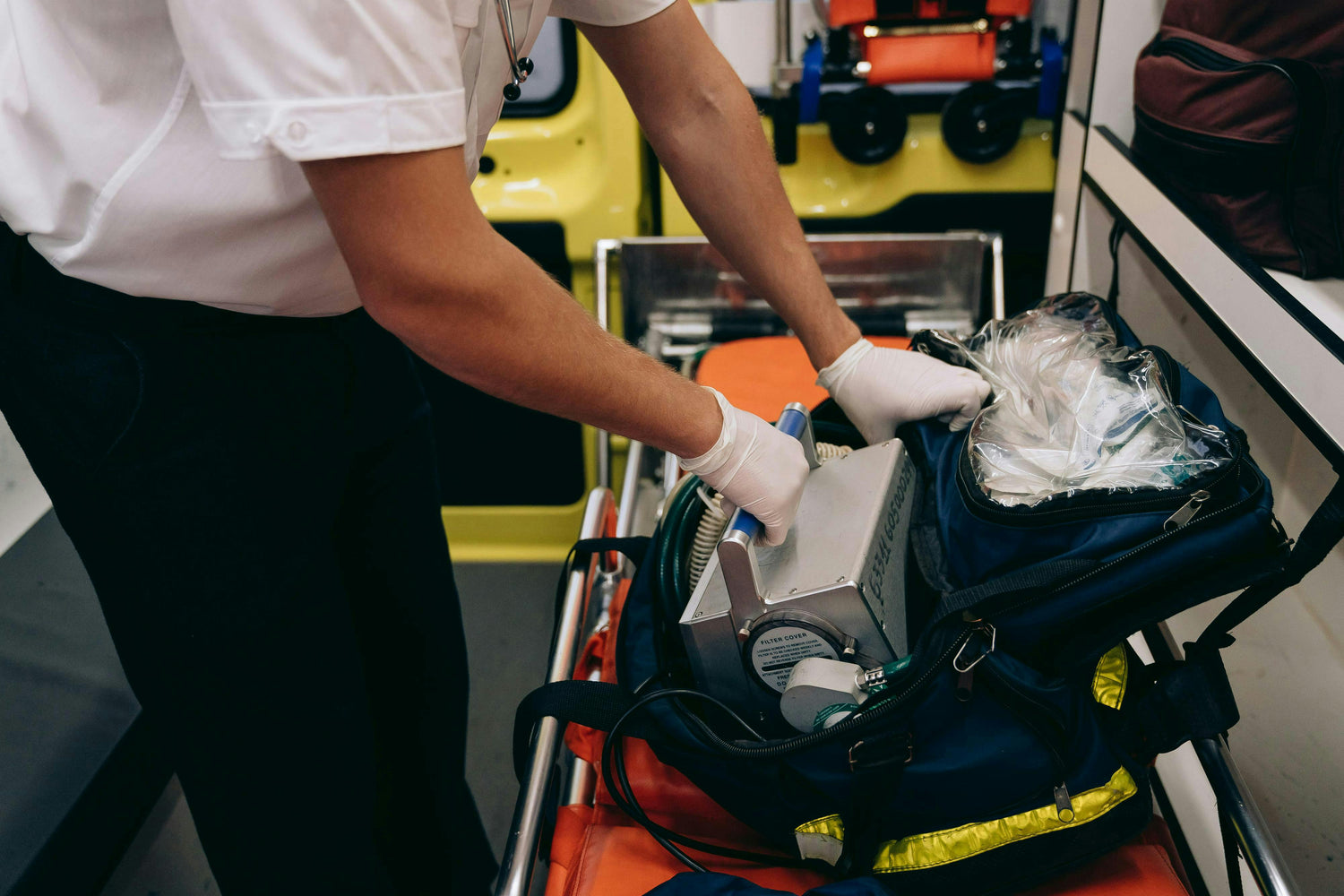
Before you can start training, Texas requires you to meet a few essential prerequisites:
- Be at least 18 years old
- Hold a high school diploma or GED
- Have a valid driver’s licenseor state ID
- Complete a state-approved EMT training program
- Submit a fingerprint-based background checkthrough the Texas Department of Public Safety (DPS)
Texas doesn’t require you to be a U.S. citizen, but you must have a verifiable identity and background that satisfies the state and NREMT criteria.
Step 02
Enroll in a Texas-Approved EMT Training Program
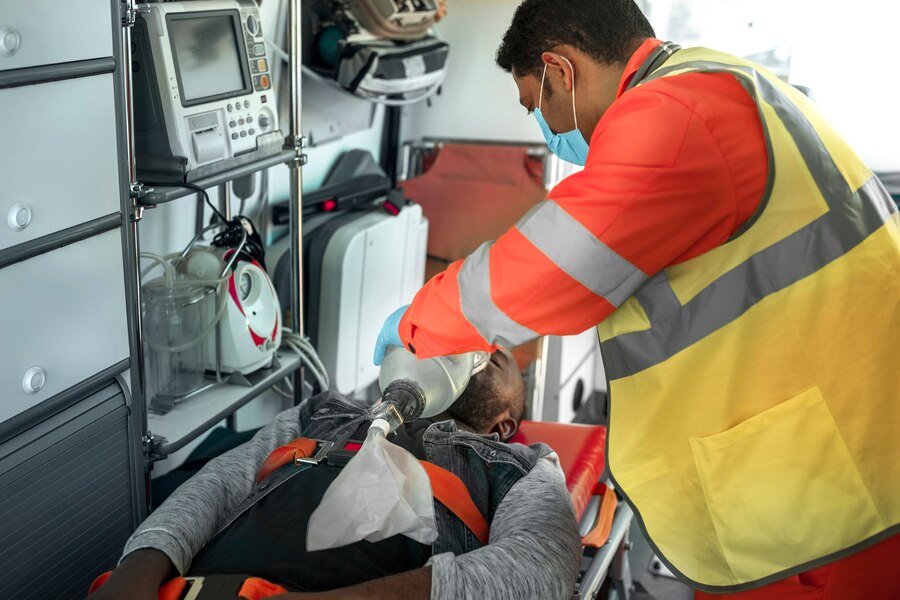
To be eligible for certification, you must complete a Texas Department of State Health Services (DSHS)-approved EMT course. These programs are offered at:
- Community colleges
- EMS agencies
- Private career schools
Programs must include at least 140–160 hours of didactic instruction, hands-on skills labs, and clinical or field internship hours. Some courses exceed this minimum to better prepare students for both real-life emergencies and the NREMT cognitive exam.
This is where choosing high-quality EMT national training becomes crucial. Look for programs that not only meet Texas DSHS requirements but also integrate NREMT prep tutor support and test-focused content.
Many students also find it helpful to study with an experienced EMT tutor during or after their coursework to master challenging material, especially airway management, trauma, and patient assessments.
Step 03
Get Your CPR Certification
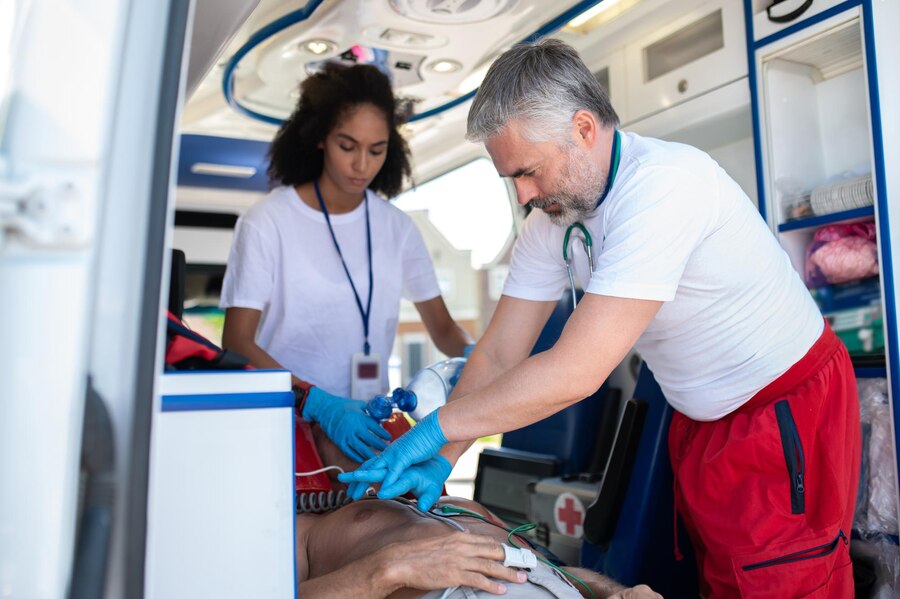
Texas requires you to hold a current CPR/BLS card for Healthcare Providers, certified through:
- American Heart Association (AHA)
- American Red Cross
- CAPCE-accredited programs
Make sure your course includes hands-on skills testing—fully online CPR courses aren’t accepted. Most EMT training programs in Texas bundle this into their curriculum but double-check to be safe.
Step 04

Pass the Updated NREMT Cognitive Exam
Once your training is complete, the next milestone is passing the NREMT cognitive exam, the national written exam that tests your readiness for real-world EMS care.
As of April 2025, the exam has been updated and now focuses on five core domains:
- Scene Size-Up & Safety (15–19%)– Evaluating hazards, PPE, and preparing for patient contact
- Primary Assessment (39–43%)– Initial patient evaluations: consciousness, breathing, airway, vitals
- Secondary Assessment (5–9%)– Patient history, physical exams, and refining clinical judgments
- Patient Treatment & Transport (20–24%)– Administering oxygen, splints, meds, moving patients
- Operations (10–14%)– Communication, documentation, EMS protocols, and safety practices
The new format also includes Technology-Enhanced Items (TEIs)—questions with drag-and-drop, multiple selections, and image-based scenarios that mirror real emergency decisions.

How To NREMT Prepares You Better
With our platform, you don’t just cram for the test; you train for it. Our system is designed for both first-time testers and those who’ve struggled with the exam in the past.
We help you pass the NREMT with:
- A 10-step study plan tailored to the 2025 exam updates
- Over 2,000 practice questions, including TEIs
- A realistic NREMT simulator scored just like the actual test
- 24/7 AI-powered NREMT tutor support for questions on demand
- Flashcards, videos, and live Zoom coaching for tough topics
As your NREMT prep tutor, we guide you from training to certification.
Step 05

Apply for Your Texas EMT Certification
After passing the NREMT exam, you’ll apply for EMT certification through the Texas DSHS EMS Compliance portal. You’ll need to:
- Create an account and submit the online application
- Upload your course completion documentation, CPR certification, and NREMT results
- Complete a Texas fingerprint-based background check
- Pay the required fees
Once approved, you’ll receive your Texas EMT license, which is valid for four years. Remember to maintain your continuing education credits for renewal.
National vs. Texas EMT Requirements
| Requirement | National (NREMT) | Texas (DSHS) |
|---|---|---|
| Age | Usually 18+ | Must be 18+ |
| Training | Accredited EMT course | DSHS-approved EMT program (140+ hrs) |
| CPR | BLS for Healthcare Providers | BLS/CPR with a hands-on component |
| Written Exam | NREMT cognitive exam | Same |
| Background Check | May vary by state | DPS fingerprint background check required |
| Certification | NREMT registry certificate | Must apply through Texas DSHS |

How We Help EMT Students in Texas Succeed
Whether you're in Dallas, Houston, or a rural Texas town, we provide everything you need to prep with confidence:
- Step-by-Step Training Plan– A clear study roadmap tailored to your EMT level.
- Exam Secrets Videos– High-yield lessons and tips for tackling tricky NREMT questions, including new TEIs.
- 1,900+ Flashcards– Review key terms and concepts anytime, anywhere.
- Realistic Exam Simulator– Practice like it’s the real thing with adaptive scoring and clinical scenarios.
- Live Group Coaching– Join Zoom sessions twice a month for expert support and Q&A.
- 24/7 AI Tutor “Mr. How To”– Get instant answers to EMS questions anytime you’re stuck
EMT Boot Camp (Live via Zoom)
Need a last-minute prep before your test date? Our intensive 7 or 14-day virtual boot camp prepares you fast. Join live classes, review critical material, and get expert feedback. Offered four times per year, join as many sessions as you need.
Private Tutoring
Prefer one-on-one help? Our experienced tutors offer customized support with a 100% first-time pass rate for all students who completed the program.
Already Failed the NREMT? We Can Help You Retest Successfully
Many Texas students come to us after a failed first attempt. We get it—this test is different. If you’ve failed before, we’ll help you pinpoint exactly where you went wrong and rebuild your confidence with a clear, focused plan. Our resources aren’t just for beginners—they’re also designed to help repeat testers finally succeed.
Try It Free
Want to see how we teach? We offer a free monthly training session so you can experience our teaching style and tools before committing. Join live, ask questions, and get real value—no strings attached.
- Choosing a selection results in a full page refresh.